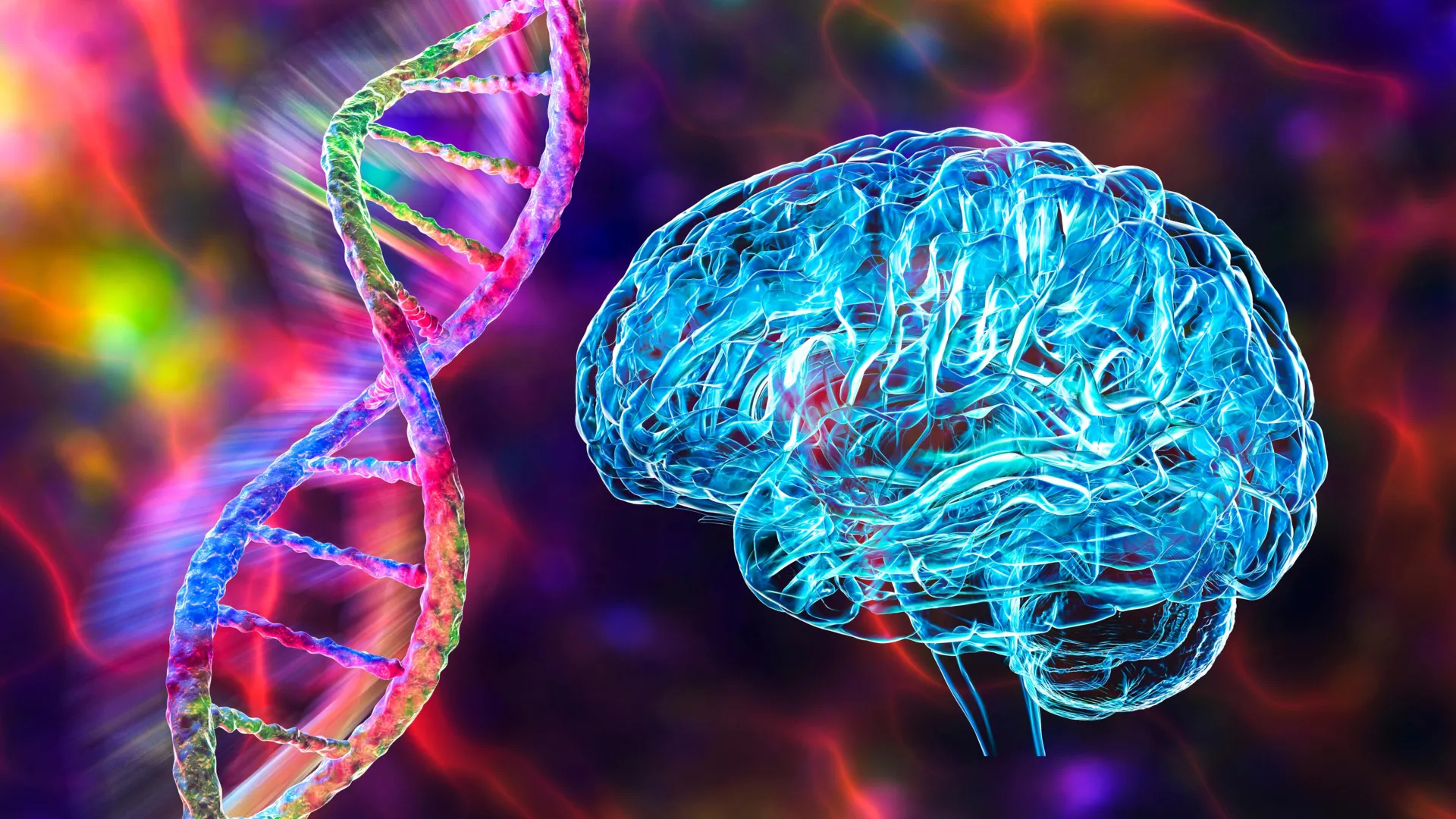
Scientists at Columbia University have discovered a rare mutation in the fibronectin gene that protects the blood-brain barrier, explaining how some people with a high Alzheimer's risk gene remain mentally sharp. The finding reveals a mechanism for potential treatments that mimic this natural defence.
01Summary
- 01The study, published in Nature Aging, builds on research from two years ago involving the APOE ε4 gene variant.
- 02Excess fibronectin accumulates around brain blood vessels in APOE ε4 carriers, weakening the blood-brain barrier.
- 03A rare protective mutation in the FN1 gene limits fibronectin buildup and associated damage.
- 04Experiments in mice showed that reducing fibronectin improved blood-brain barrier function, while increasing it caused permeability.
- 05Abnormal signals through integrins and focal adhesion kinase disrupt growth factor communication, leading to barrier damage.
02Why it matters
This discovery suggests a new avenue for developing treatments that could prevent early brain damage in people with a high genetic risk of Alzheimer's, potentially slowing or halting the disease.
Pulse AIAsk about this story
Answers are generated by AI from the story summary; they are not investment, health or legal advice.