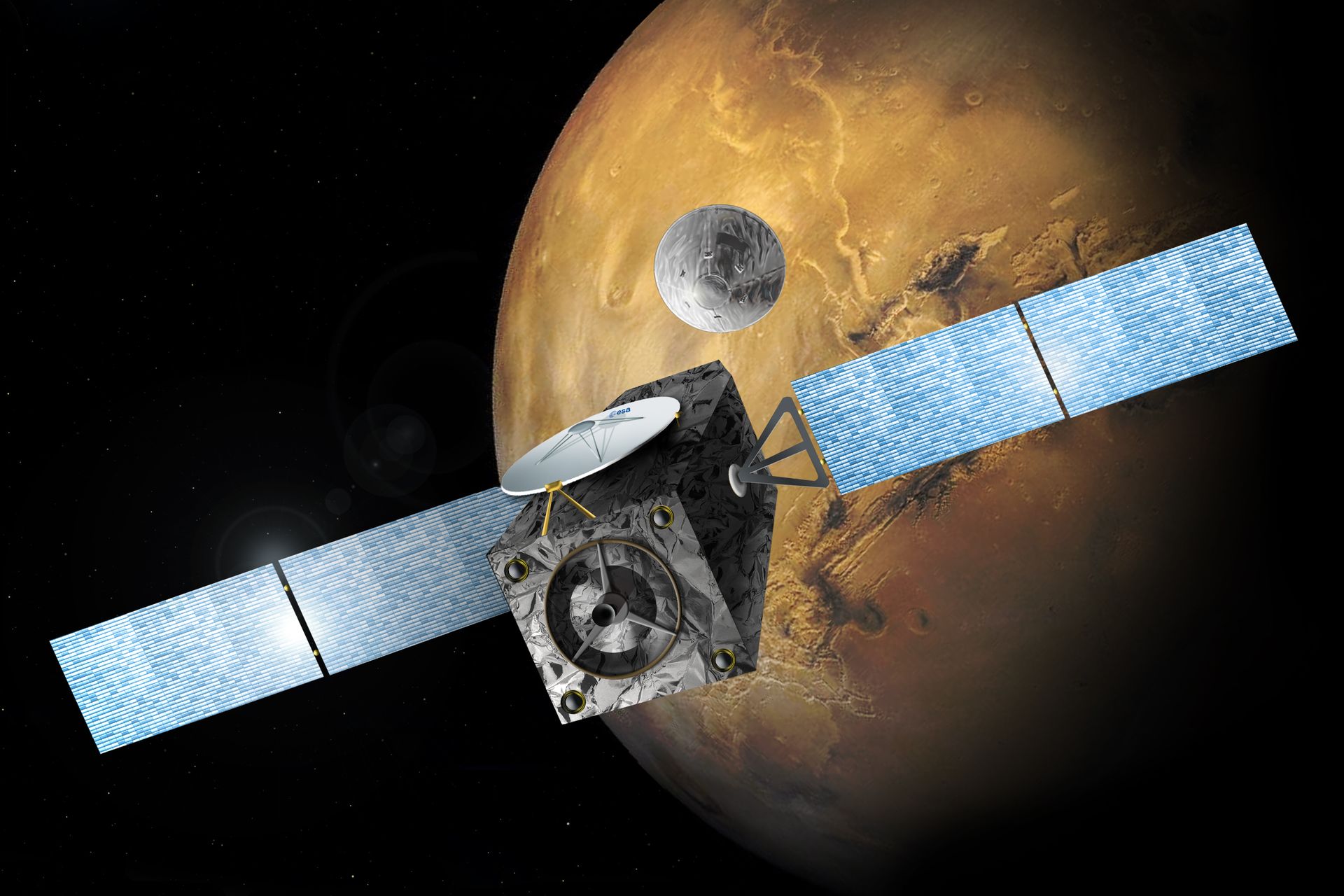
Japan's MMX mission launched on 19 October, aiming to land on Mars's moon Phobos and return samples to Earth by 2031, which could help resolve the moons' origin.
01Summary
- 01The MMX mission launched from Tanegashima Space Center on an H3 rocket at 3:41 p.m. EDT (1941 GMT) on 19 October.
- 02The spacecraft will arrive at Mars in August 2027 and spend about three years in the Martian system.
- 03MMX will deploy the IDEFIX rover, a joint French-German project, to Phobos's surface in late 2028 or early 2029.
- 04Two separate touchdowns on Phobos will collect samples for a return capsule scheduled to land in Australia in 2031.
- 05NASA contributed $87 million to the mission and will receive at least 15% of the returned Phobos sample.
02Why it matters
Samples from Phobos could reveal whether Mars's moons formed from a planetary impact or were captured asteroids, offering clues about the early solar system and Mars's geological history.
Pulse AIAsk about this story
Answers are generated by AI from the story summary; they are not investment, health or legal advice.