00In brief
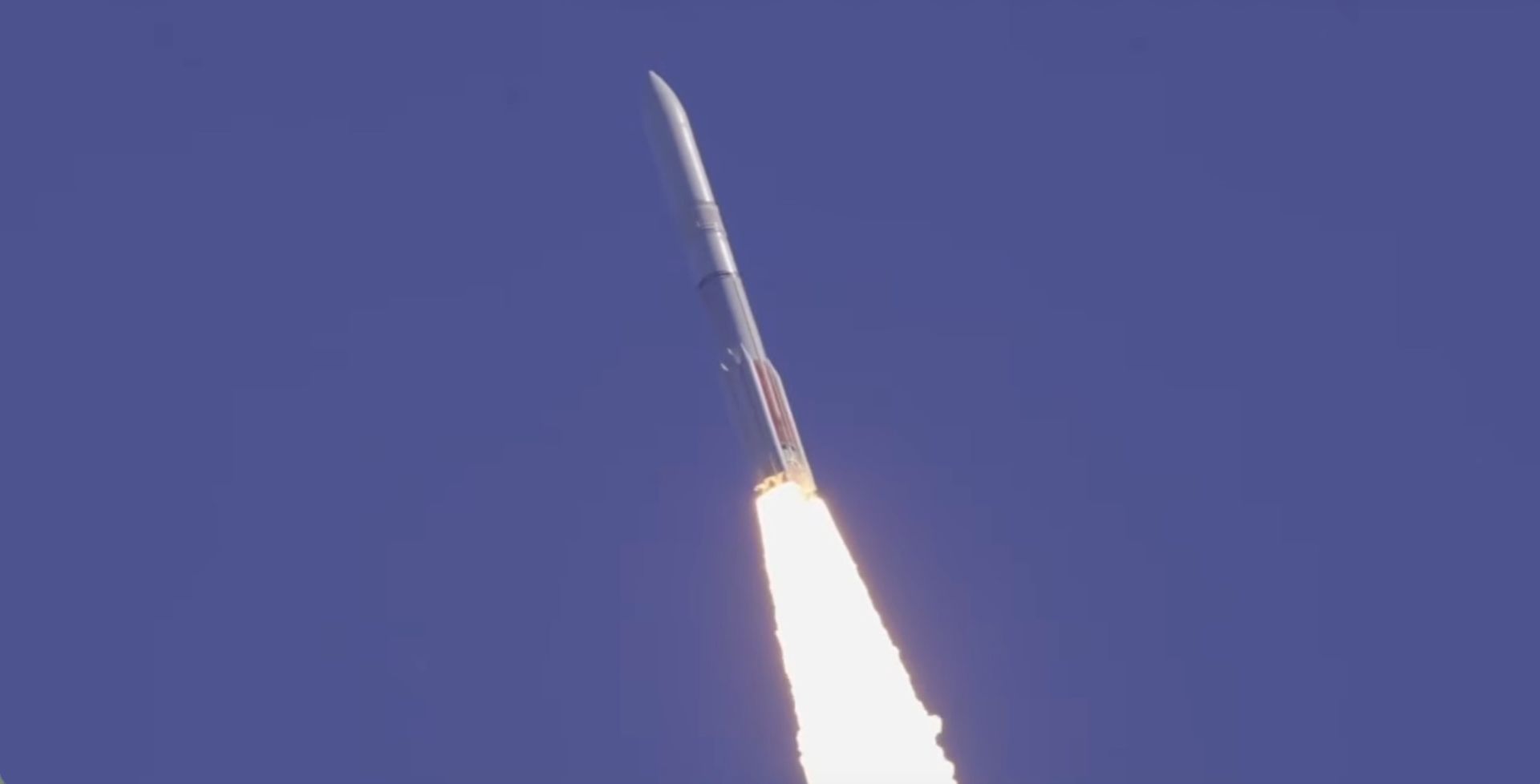
The Vulcan Centaur rocket launched from Cape Canaveral Space Force Station on November 15, 2026.[1][2]
The failure resulted in the loss of 40 Amazon Leo internet satellites, the first total mission failure for ULA since its founding in 2006.[1][2]
ULA said early data indicates low performance from the first-stage booster, but the solid rocket boosters and Centaur V upper stage performed as expected.[1][2]
The Vulcan first stage uses two BE-4 engines built by Blue Origin; an oxygen valve defect in a BE-4 caused a New Glenn explosion on May 28, 2026.[1][2][4]
Amazon had placed about 400 operational Leo satellites in orbit across 14 launches before the failure; it needs 3,236 satellites for global coverage.[1][2][4]
01What happened
A United Launch Alliance (ULA) Vulcan Centaur rocket lifted off from Cape Canaveral Space Force Station in Florida on November 15, 2026, carrying 40 Amazon Leo internet satellites. About 10 minutes later, the mission was lost, destroying all 40 satellites in what ULA described as its first total mission failure since its founding in 2006.[1][2]
On November 17, ULA stated that early evidence points to low performance from the rocket's first-stage booster shortly after liftoff. This caused the stages to separate at an altitude too low and at a speed insufficient to reach orbit. The company said the strap-on solid rocket boosters, built by Northrop Grumman, and the Centaur V upper stage performed normally.[1][2]
The failure is the third problem in five Vulcan launches. On its second and fourth flights, in October 2024 and February 2026, a nozzle from a solid rocket booster fell off about 30 seconds after liftoff, though both payloads reached orbit. After the February incident, the U.S. Space Force paused national-security launches on Vulcan until ULA addressed the nozzle issue.[1]
02Where the sources differ
Space.com reports that the Vulcan’s second and fourth flights experienced booster-nozzle failures in October 2024 and February 2026, while SOFX says the February 2026 flight was the one that caused the Space Force to suspend national-security launches. Both agree the February flight was a Space Force mission, but Space.com does not specify whether the October 2024 flight also prompted a pause.[1][2]
Advanced Television quotes unconfirmed reports suggesting the BE-4 engine was not the problem, but ULA has not confirmed that. Space.com and SOFX both state that the investigation is ongoing and that a cause has not been identified.[1][2][4]
SOFX says Amazon had placed 398 satellites across 14 flights before the failure, while Space.com says about 400. Advanced Television says fewer than 400 are in orbit.[1][2][4]
03What is still unknown
The exact cause of the low booster performance has not been determined. ULA has not identified whether the problem lies within the BE-4 engines or another component, and the FAA’s investigation has only just begun, as reported by Space.com and SOFX.[1][2]
It is not yet known whether the failure is linked to the earlier BE-4 oxygen valve defect that grounded Blue Origin’s New Glenn in May 2026, or whether a separate issue is involved. Advanced Television notes the worry that Blue Origin may face further grounding, but ULA has not commented on this connection.[1][4]
The timeline for Vulcan’s return to flight remains unclear. SOFX says the FAA must approve ULA’s final report before Vulcan can fly again, but no date for that approval has been announced. ULA has not said when the investigation will conclude.[2][4]
Sources
- [1]Space.comULA lost a Vulcan Centaur rocket carrying 40 Amazon satellites 10 minutes after launch — but the failure began just after liftoff
- [2]sofx.comULA Vulcan Rocket Fails After Liftoff, Destroying 40 Amazon Satellites in First Loss
- [3]WESHULA says Vulcan booster underperformed before loss of 40 Amazon satellites
- [4]Advanced TelevisionULA rocket failure: post mortem