00In brief
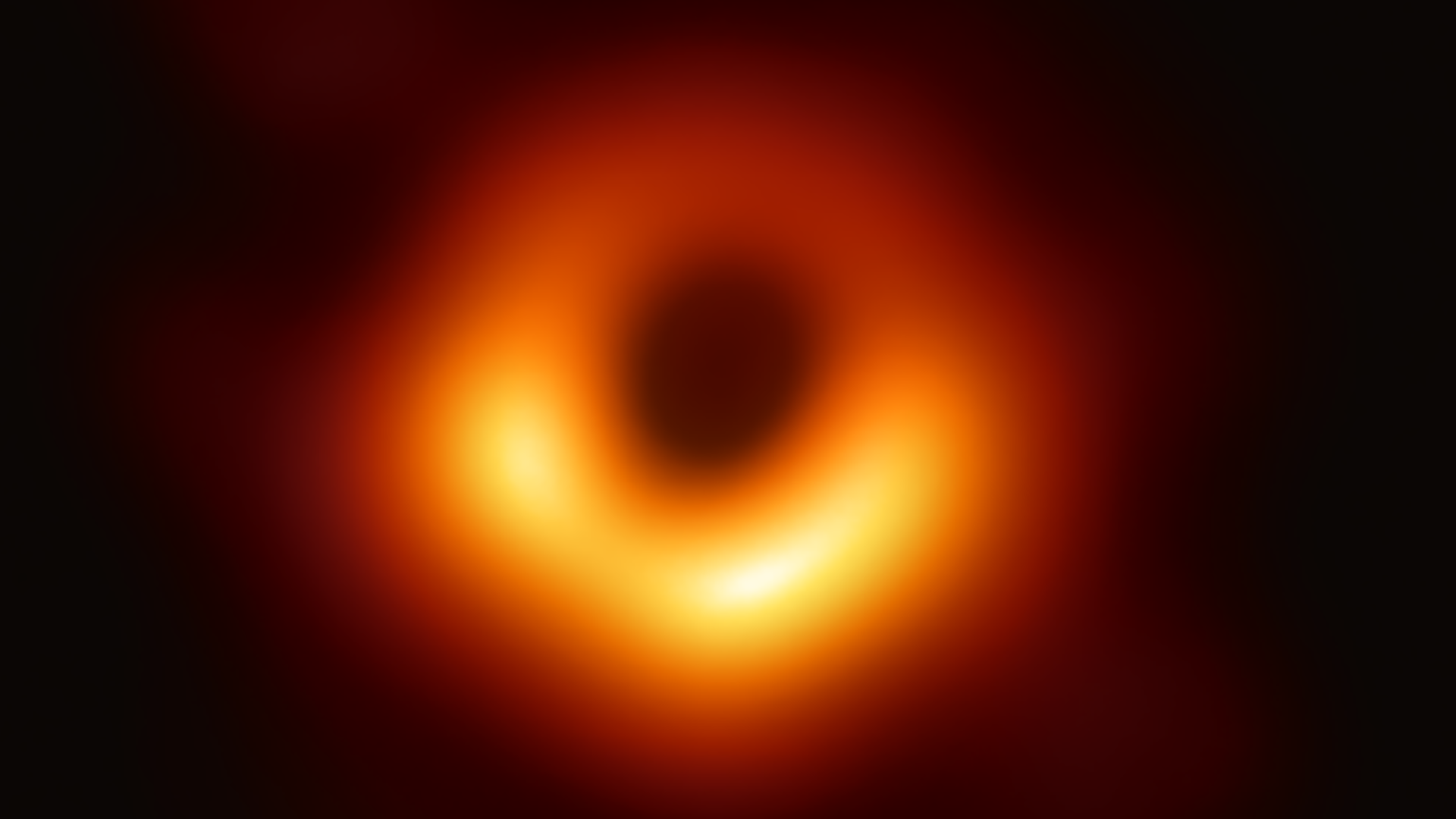
The black hole is M87*, in the galaxy Messier 87, about 55 million light-years away.[1][2]
Its mass is reported at around 6.5 billion times the Sun’s mass.[1][2]
The image was first shown publicly in 2019 by the Event Horizon Telescope collaboration.[1][2]
The new study was published on Wednesday, Nov. 11, in Nature.[1][2]
01What happened
An independent research team has verified the first image of a black hole ever captured, using data from the Event Horizon Telescope, or EHT. The object is M87*, the black hole at the centre of Messier 87, which is about 55 million light-years away and was shown to the public in 2019.[1][2]
The team, led by Samuel Lai of Australia’s CSIRO, used machine learning and artificial intelligence to study the structure of the black hole image and remove interference. Their method, called GenDIReCT, re-created a ring almost identical in size and shape to the published EHT image when applied to the original dataset.[1][2]
The research was published on Wednesday, Nov. 11, in Nature. The sources say the result strengthens confidence in the EHT image and in the predictions of general relativity.[1][2]
02Who said what
Samuel Lai said the challenge was like trying to photograph “a doughnut on the moon” from a backyard. He also said the model had no prior knowledge of what a black hole looked like and called the result “the first truly independent validation” of the EHT image.[1][2]
Laurent Loinard, director of the EHT Collaboration, said independent validation is central to science and said he was pleased that GenDIReCT recovered the ring structure in line with the collaboration’s published results.[1][2]
03Where the sources differ
There is no substantive difference between the two sources on the main facts. Both describe the same image, the same team, the same method, and the same Nature publication date.[1][2]
The Space.com version includes a wider explanation of general relativity and more detail on how black holes and event horizons are described. The Yahoo version presents the same report in a shorter form and adds syndication and credit material that Space.com does not foreground.[1][2]
04What is still unknown
The sources do not say how many researchers were in Lai’s team, beyond calling it a small Australian team in one account.[1][2]
The sources do not say which journal details from Nature accompanied the paper, beyond the publication date.[1][2]
The sources do not say whether GenDIReCT has already been used on other black hole images or only on M87*.[1][2]
The sources do not say when, or by whom, the technique might next be applied outside astronomy, even though medical imaging and earthquake mapping are mentioned as possible uses.[1][2]