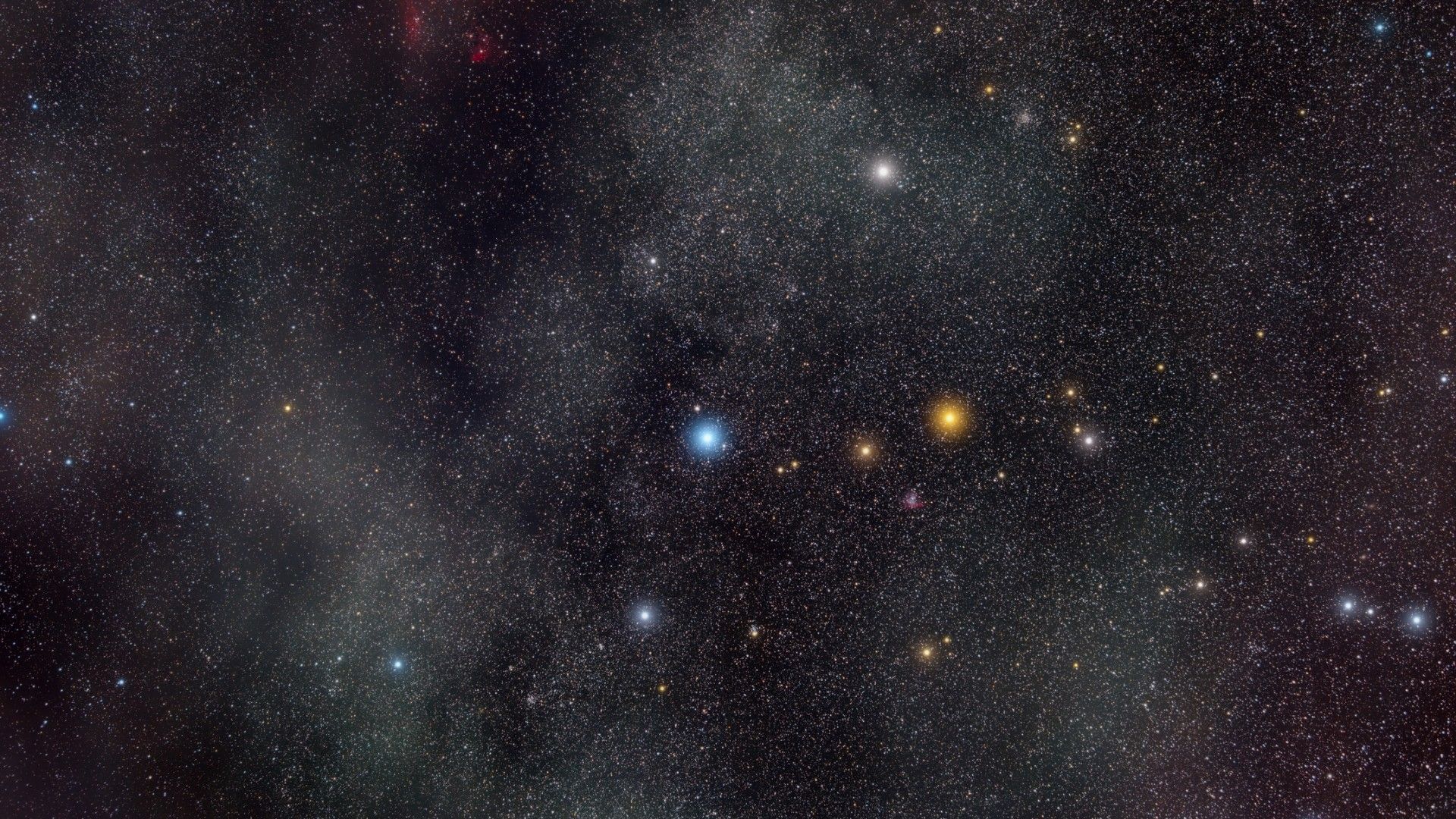
Cassiopeia's W shape appears to change into an M or E over hours because the constellation circles the north celestial pole, demonstrating Earth's rotation.
01Summary
- 01Cassiopeia is circumpolar, meaning its five main stars never set from northern latitudes.
- 02Its orientation shifts from a W to an M or E as Earth rotates west to east.
- 03The constellation's stars are unrelated; Caph and Ruchbah are within 100 light-years, while others are farther.
- 04From a hypothetical vantage point near Proxima Centauri, the sun would appear as an extra star in Cassiopeia.
- 05Late November offers dark skies for binocular viewing of star clusters like the Double Cluster in Cassiopeia.
02Why it matters
This matters because watching Cassiopeia shift orientation over a night makes Earth's rotation tangible, and late November provides ideal conditions for stargazing in the Northern Hemisphere.
Pulse AIAsk about this story
Answers are generated by AI from the story summary; they are not investment, health or legal advice.