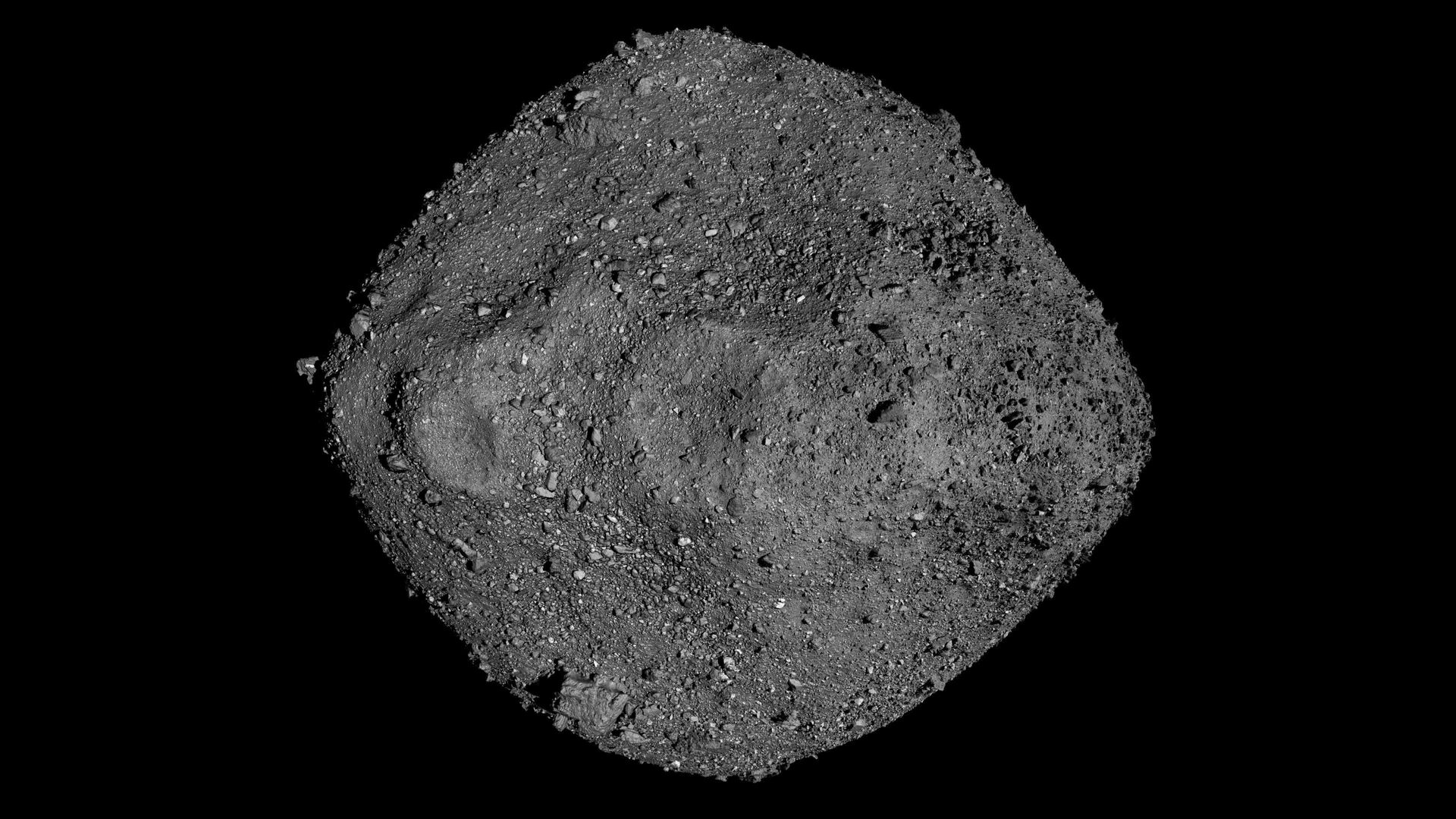
NASA formally concluded the OSIRIS-REx mission on 30 September 2026, after it successfully delivered the largest asteroid sample ever collected to Earth. The mission overcame numerous engineering challenges and returned material containing organic building blocks of life.
Follow the storyNASA3 stories
01Summary
- 01OSIRIS-REx launched on 8 September 2016 and collected a 4.29-ounce sample from asteroid Bennu on 20 October 2020.
- 02The sample capsule landed in Utah on 24 September 2023 despite a parachute malfunction.
- 03Bennu’s surface was found to be treacherous boulders, not a smooth sandy sphere as expected.
- 04Over 200 research papers have been published on the sample, which includes amino acids and sugars essential for life.
- 05The spacecraft, now renamed OSIRIS-APEX, is heading to asteroid Apophis with an expected arrival in 2029.
02Why it matters
The Bennu samples contain pristine organic compounds and evidence of ancient water, offering clues about the building blocks that may have seeded life on Earth. These findings could reshape our understanding of the solar system's early history and the origins of life.
Pulse AIAsk about this story
Answers are generated by AI from the story summary; they are not investment, health or legal advice.