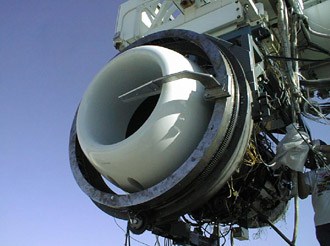
NASA Glenn uses specialised tools like rotating microphones and laser systems to measure airflow and sound in aviation noise research. The global community uses these data to validate noise prediction software.
01Summary
- 01NASA Glenn researchers pioneered rotating microphone rakes in the 1990s to measure modal content of tones.
- 02The Array48 microphone system pinpoints noise sources in scale-model jets and full-scale engines.
- 03Hotwire probes and Laser Doppler Velocimeters measure air velocity to visualise disturbances from rotors.
- 04Data from these experiments validate theory and noise prediction software used globally.
02Why it matters
These measurement techniques help engineers design quieter aircraft engines by identifying noise sources and validating prediction tools, which could reduce noise pollution for communities near airports.
Pulse AIAsk about this story
Answers are generated by AI from the story summary; they are not investment, health or legal advice.