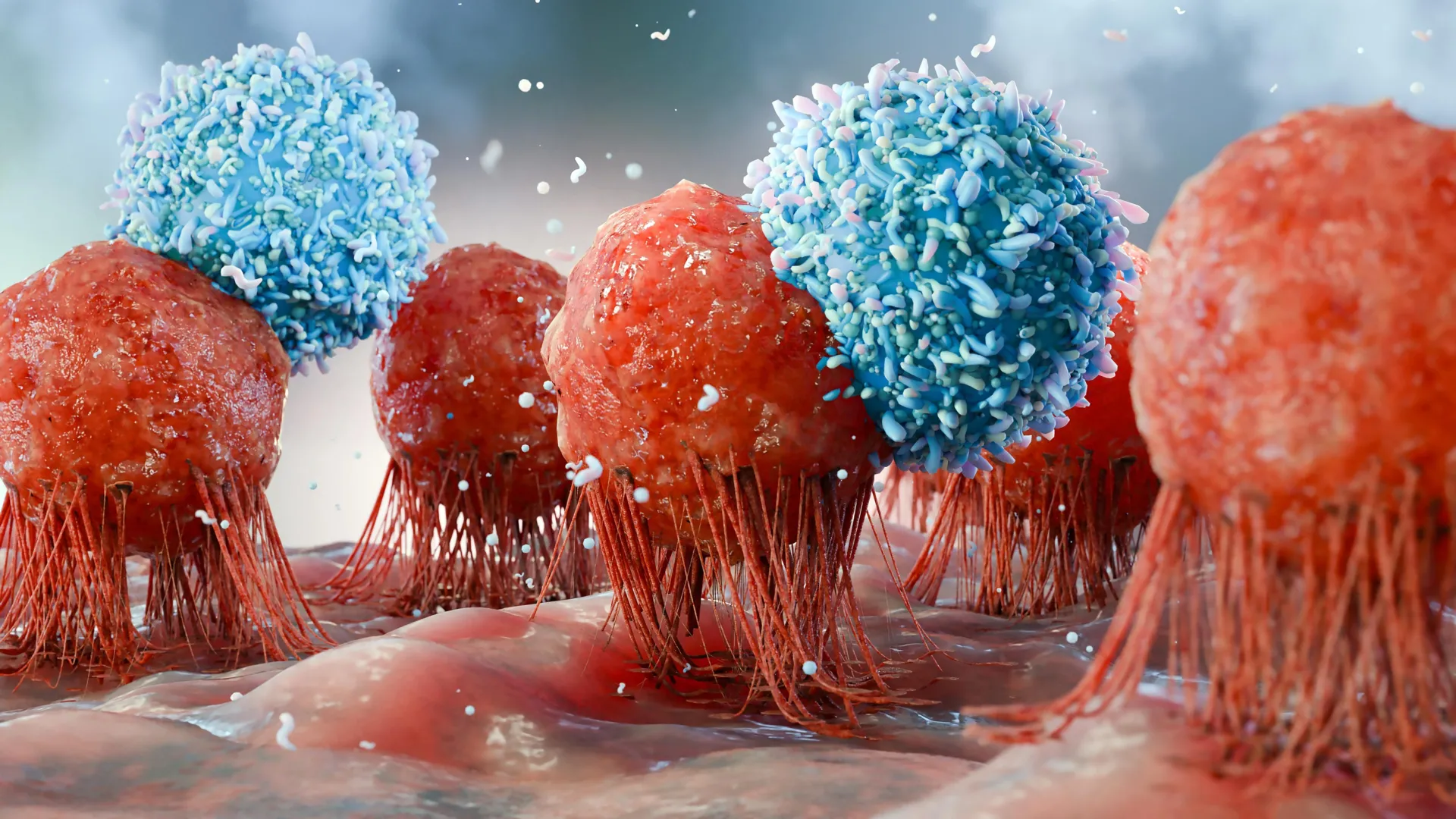
Researchers at USC have developed a method to create a renewable supply of cancer-fighting immune cells by using immature progenitor cells instead of mature ones, offering a scalable approach to immunotherapy.
01Summary
- 01USC scientists engineered granulocyte-monocyte progenitors (GMPs) to self-renew and produce tumour-fighting cells in laboratory conditions.
- 02The study, published in Cell, showed the engineered cells slowed progression of both blood cancers and solid tumours in mouse experiments.
- 03GMPs were genetically modified to recognise cancer markers and strengthen broader immune responses.
- 04The approach overcomes limitations of mature macrophages, which are difficult to multiply, modify, and store.
- 05The discovery challenges the traditional view that long-term self-renewal in the blood system is limited to hematopoietic stem cells.
02Why it matters
This breakthrough could lead to more effective and affordable cancer immunotherapies by providing a continuous supply of engineered cells that can attack tumours, potentially improving treatment for hard-to-treat solid cancers.
Pulse AIAsk about this story
Answers are generated by AI from the story summary; they are not investment, health or legal advice.