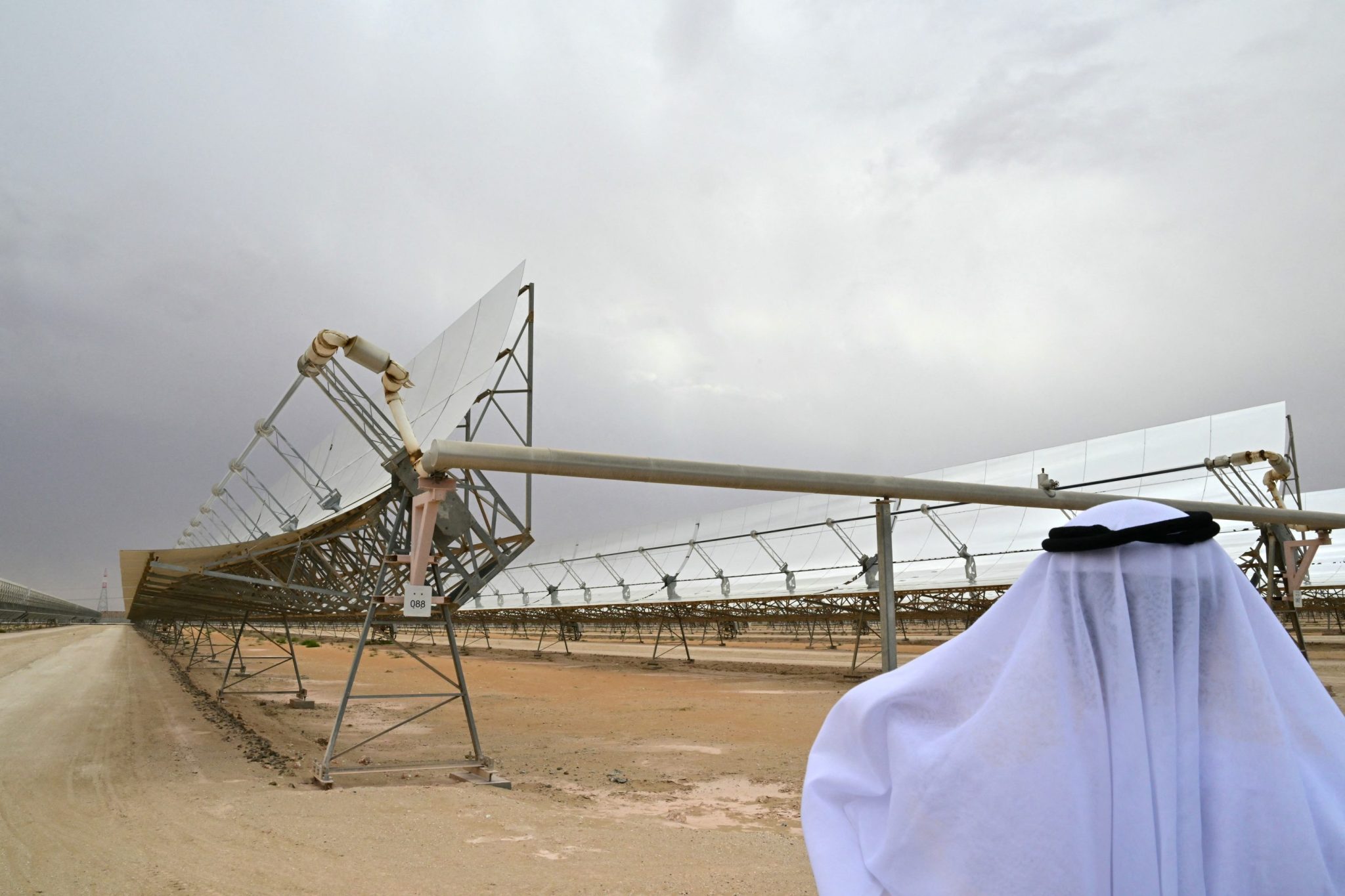
Abu Dhabi has built an integrated energy and water system over five decades, combining hydrocarbons, solar, nuclear, and desalination to meet rising demand from AI and electrification.
01Summary
- 01Global electricity demand is expected to grow 3.6% annually from 2026 to 2030, an acceleration of about 50% from the past decade.
- 02Data centre electricity demand rose 17% in 2025, with AI-focused facilities seeing demand increase by roughly 50%.
- 03Abu Dhabi’s EWEC has supplied more than 80% of the emirate’s power from renewable and clean energy sources.
- 04The Barakah Nuclear Energy Plant provides large-scale clean baseload power, while Masdar’s renewable portfolio stands at 65GW, targeting 100GW by 2030.
- 05ADNOC’s Murban crude has a carbon intensity below half the global industry average.
02Why it matters
As AI and electrification strain grids worldwide, Abu Dhabi’s model of integrating energy, water, and long-term investment offers a real-world example of balancing reliability, affordability, and decarbonisation.
Pulse AIAsk about this story
Answers are generated by AI from the story summary; they are not investment, health or legal advice.


