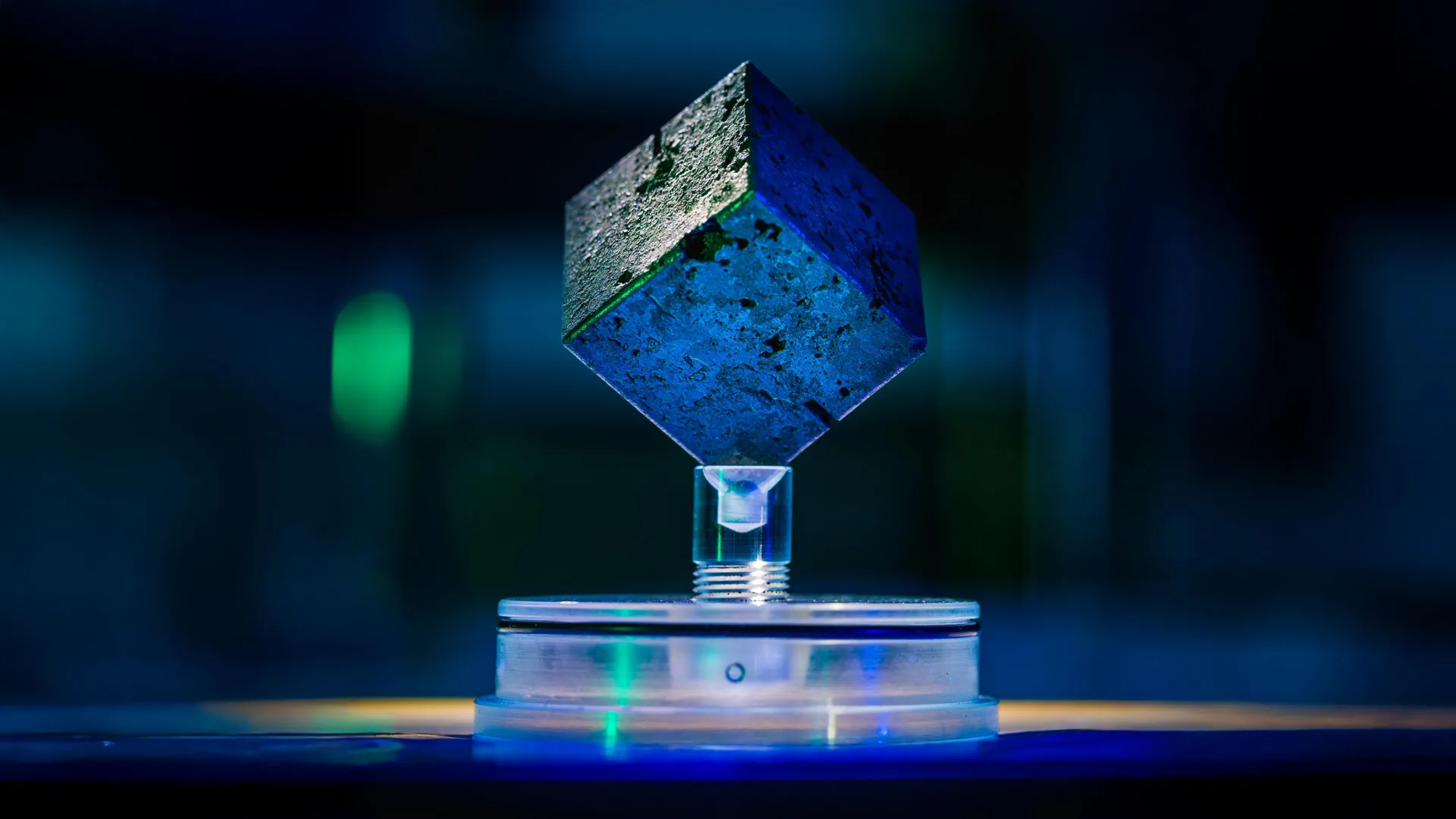
Analysis of uranium cubes and wartime documents shows that Nazi Germany's final experimental reactor was far from operational, requiring far more uranium and heavy water than available.
01Summary
- 01The B8 pile, built in 1945 under Werner Heisenberg, never achieved criticality.
- 02The reactor would have needed twice the uranium and more than twice the heavy water it actually contained.
- 03Heavy water from the Norsk Hydro plant in Norway was the only European source, disrupted by Allied sabotage and bombing.
- 04Graphite, used by the Manhattan Project, was unusable in Germany due to impurities containing boron.
- 05The findings contradict Heisenberg's claims that the reactor was close to becoming operational.
02Why it matters
This matters because it revises historical understanding of how close Nazi Germany was to developing atomic weapons, showing the threat was less imminent than once feared.
Pulse AIAsk about this story
Answers are generated by AI from the story summary; they are not investment, health or legal advice.