NASA is sending four health and life-science experiments to the International Space Station on SpaceX’s CRS-35 mission, including studies of the human brain, crop disease, biomarkers and drug-resistant bacteria.
01Summary
- 01The experiments will launch aboard SpaceX’s 35th Commercial Resupply Services mission for NASA from Cape Canaveral Space Force Station in Florida.
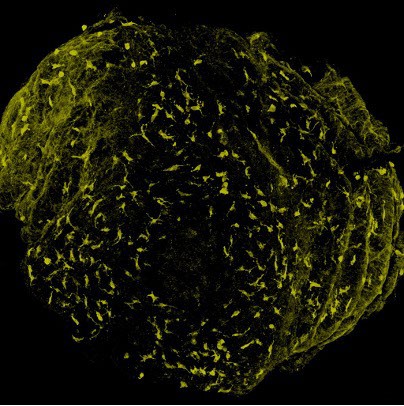
- 02One study will send lab-grown human brain models to the station for five weeks to see how short spaceflight affects brain cells.
- 03A crop disease experiment will compare fungus-infected plants grown on Earth and in microgravity to see whether disease develops faster in space.
- 04A compact microplate reader will be tested to detect biomarkers such as antibodies, antigens and proteins aboard the station.
- 05A final planned study will monitor antibiotic-resistant bacteria on the station as astronauts sample surfaces repeatedly for drug-resistant organisms.
02Why it matters
The research could improve astronaut health on long missions to the Moon and beyond. It may also help on Earth by improving understanding of brain stress, crop disease and antibiotic-resistant bacteria.
Pulse AIAsk about this story
Answers are generated by AI from the story summary; they are not investment, health or legal advice.