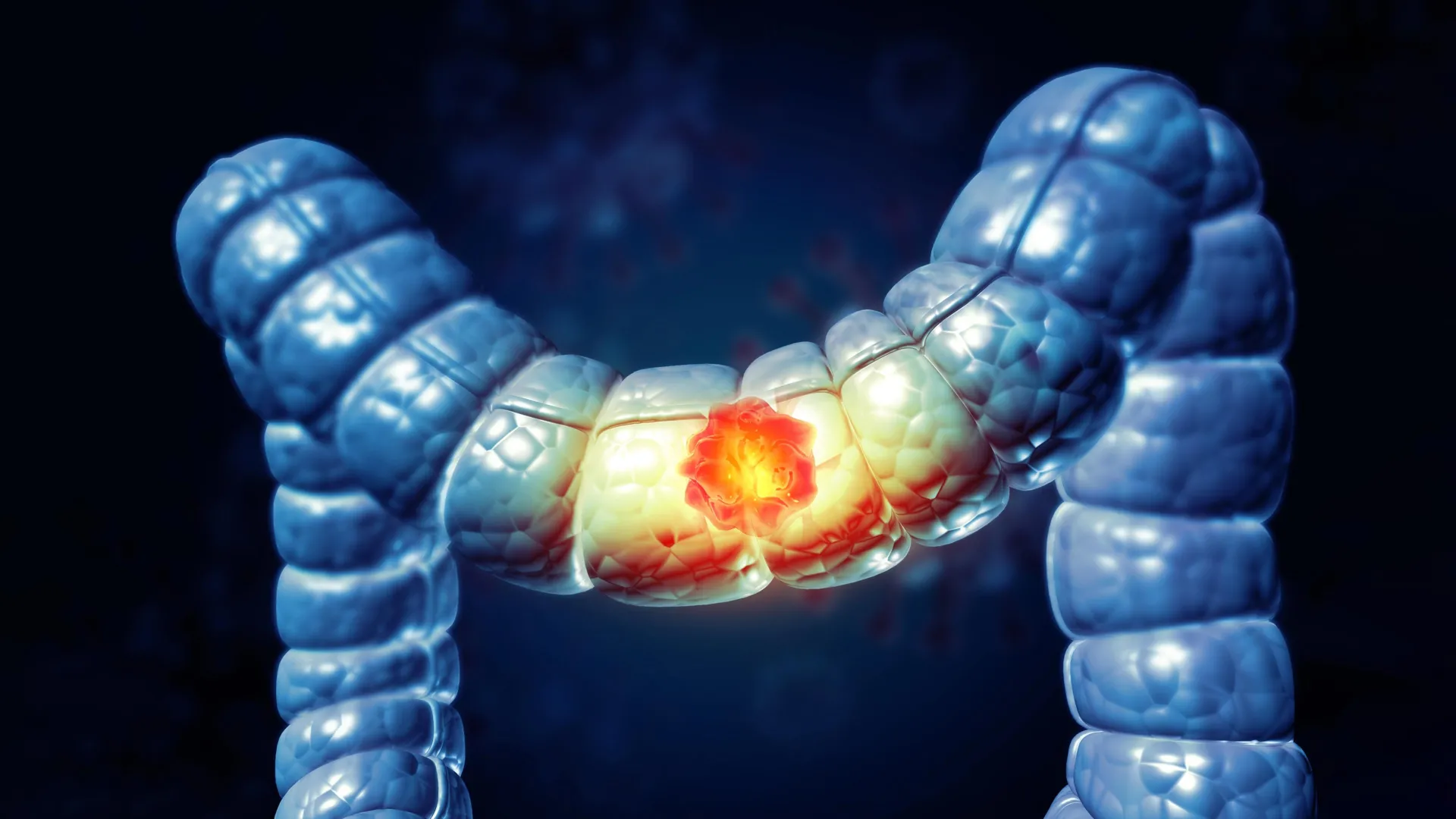
MIT biologists have found a fatty molecule-linked switch that colon cancers hijack to spread, and a high-fat diet turns it on in mice. Blocking that switch could prevent metastasis.
01Summary
- 01A protein called YAP1 controls a repair process that cancer cells exploit to multiply and travel to the liver.
- 02A high-fat diet boosts production of ceramides, which lift a brake on YAP1, in mice.
- 03Genetically disabling YAP1 or ceramide production stopped colon cancer cells from forming liver tumours in mice.
- 04In human patients, high expression of YAP1-linked genes correlated with worse survival and higher BMI.
- 05The study was published in Science and led by MIT’s Omer Yilmaz, Harvard’s Nilay Sethi, and University Hospital Essen’s Alpaslan Tasdogan.
02Why it matters
A third of patients whose primary colon tumour is surgically removed later face fatal metastasis. This finding offers a potential drug target to prevent that spread, especially for those on high-fat diets.
Pulse AIAsk about this story
Answers are generated by AI from the story summary; they are not investment, health or legal advice.