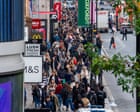
Mayor Sadiq Khan’s plan to pedestrianise half of Oxford Street from Monday 26 October aims to transform the polluted, unloved thoroughfare into a welcoming public space, addressing long-standing issues of crime, grime and decline.
01Summary
- 01The pedestrianisation will ban cars, lorries, vans, taxis, buses, bicycles, e-bikes and scooters from half of the 1.2-mile stretch, starting 26 October.
- 02Oxford Street receives more than 500,000 daily visitors and generates 5% of London’s economic output.
- 03In 2014, the street had the world’s highest concentration of nitrogen dioxide pollution, and vacancy levels rose from 4.5% in 2019 to 16.9% by early 2023.
- 04The redesign, led by public realm architects East, draws on a 1932 Virginia Woolf essay describing the street as a river-like space.
- 05Khan has framed the project as part of a mission to create a greener city focused on public health, walking and cycling.
02Why it matters
The pedestrianisation will reshape central London’s streetscape and could improve air quality and safety for the millions of visitors and workers who use Oxford Street daily.
Pulse AIAsk about this story
Answers are generated by AI from the story summary; they are not investment, health or legal advice.