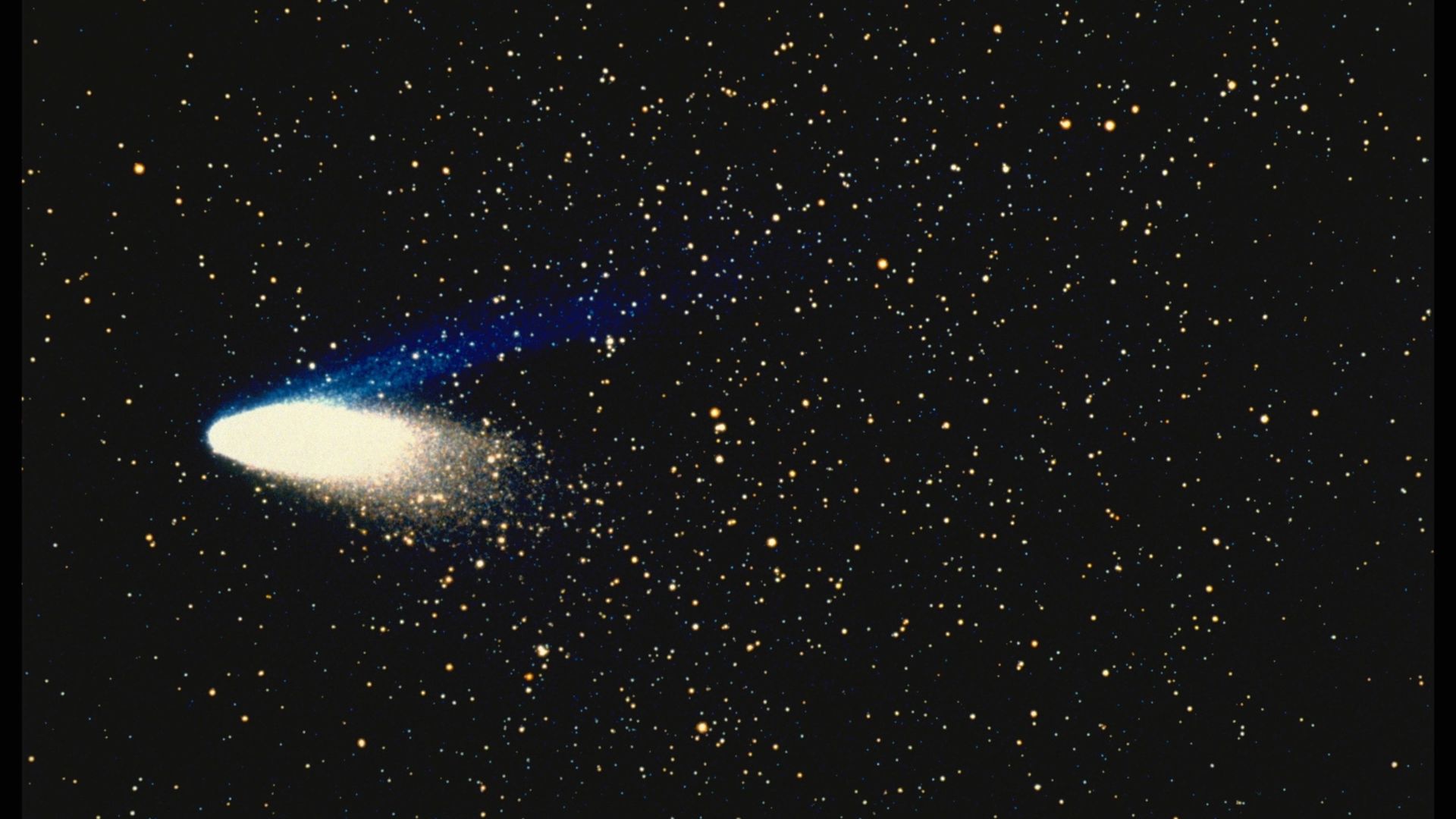
Halley's Comet’s 1986 return disappointed many skywatchers, but it became a scientific windfall as spacecraft from Japan, the Soviet Union, NASA and Europe studied it up close.
01Summary
- 012026 marks 40 years since Halley's Comet last appeared, with its previous return in 1986.
- 02The comet had been recorded on 29 occasions before 1986 and returns roughly every 76 years.
- 03In 1986, light pollution and the comet's position made it far less impressive than many expected, with its closest approach to Earth on 10 April.
- 04An international fleet of spacecraft studied it in March 1986, including Sakigake, Suisei, VEGA 1, VEGA 2, NASA's ICE and ESA's Giotto.
02Why it matters
The 1986 visit showed that a disappointing naked-eye view can still produce major scientific gains. The spacecraft observations changed what astronomers could learn about a famous comet.
Pulse AIAsk about this story
Answers are generated by AI from the story summary; they are not investment, health or legal advice.