The UK government warns that pedestrianising high streets without careful planning could reduce accessibility and hurt local economies, despite benefits like making areas safer.
01Summary
- 01The Ministry of Housing, Communities and Local Government submitted evidence to an MPs' inquiry warning of risks to local economies from banning traffic.
- 02The government says it supports local leaders making their own decisions on pedestrianisation, and will publish a new high streets strategy later this year.
- 03Professor Lee Ivett said opposition to pedestrianisation typically focuses on short-term disruption, but evidence suggests it boosts long-term economic viability.
- 04West Berkshire Council ended its evening pedestrianisation trial in Newbury last month after 75% of consultation respondents opposed it.
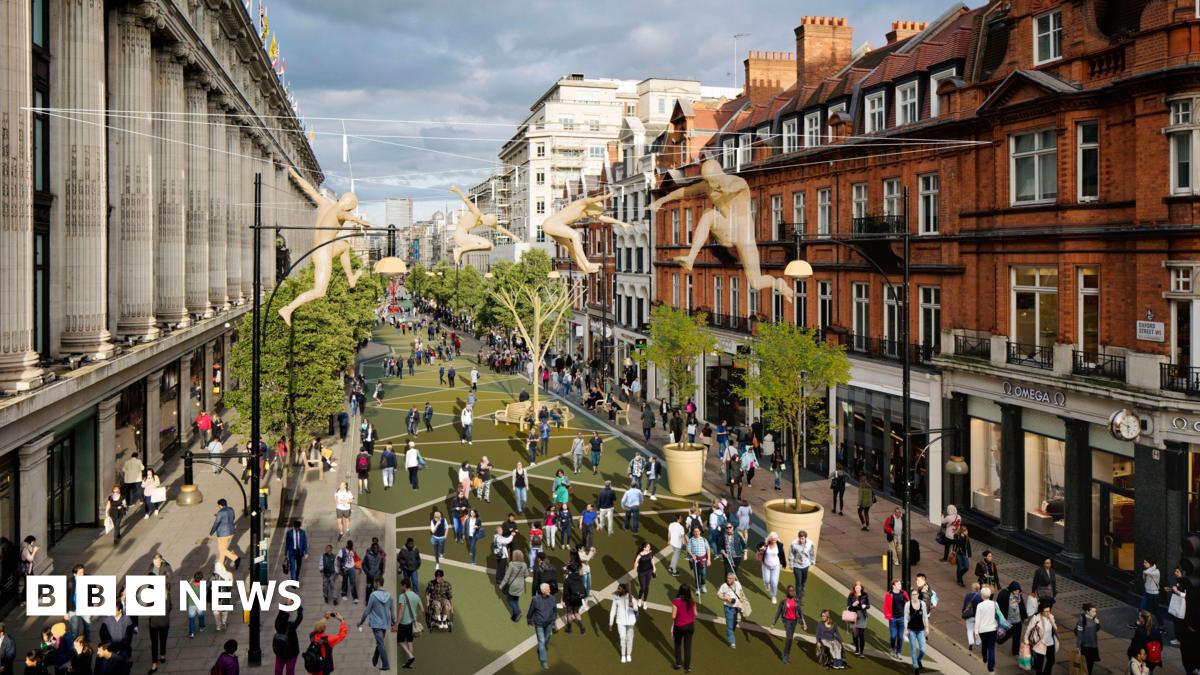
- 05Parts of Oxford Street in London will be pedestrianised from 26 October, a decade after Mayor Sadiq Khan first proposed the idea.
02Why it matters
Reader who live in or visit English towns and cities may see their high streets change, affecting how they shop, travel and spend time, with potential economic and accessibility trade-offs.
Pulse AIAsk about this story
Answers are generated by AI from the story summary; they are not investment, health or legal advice.