Arctic sea ice fell to its 10th-lowest September extent on record in 2026, and scientists say the ice is getting thinner, younger and more vulnerable to melting.
01Summary
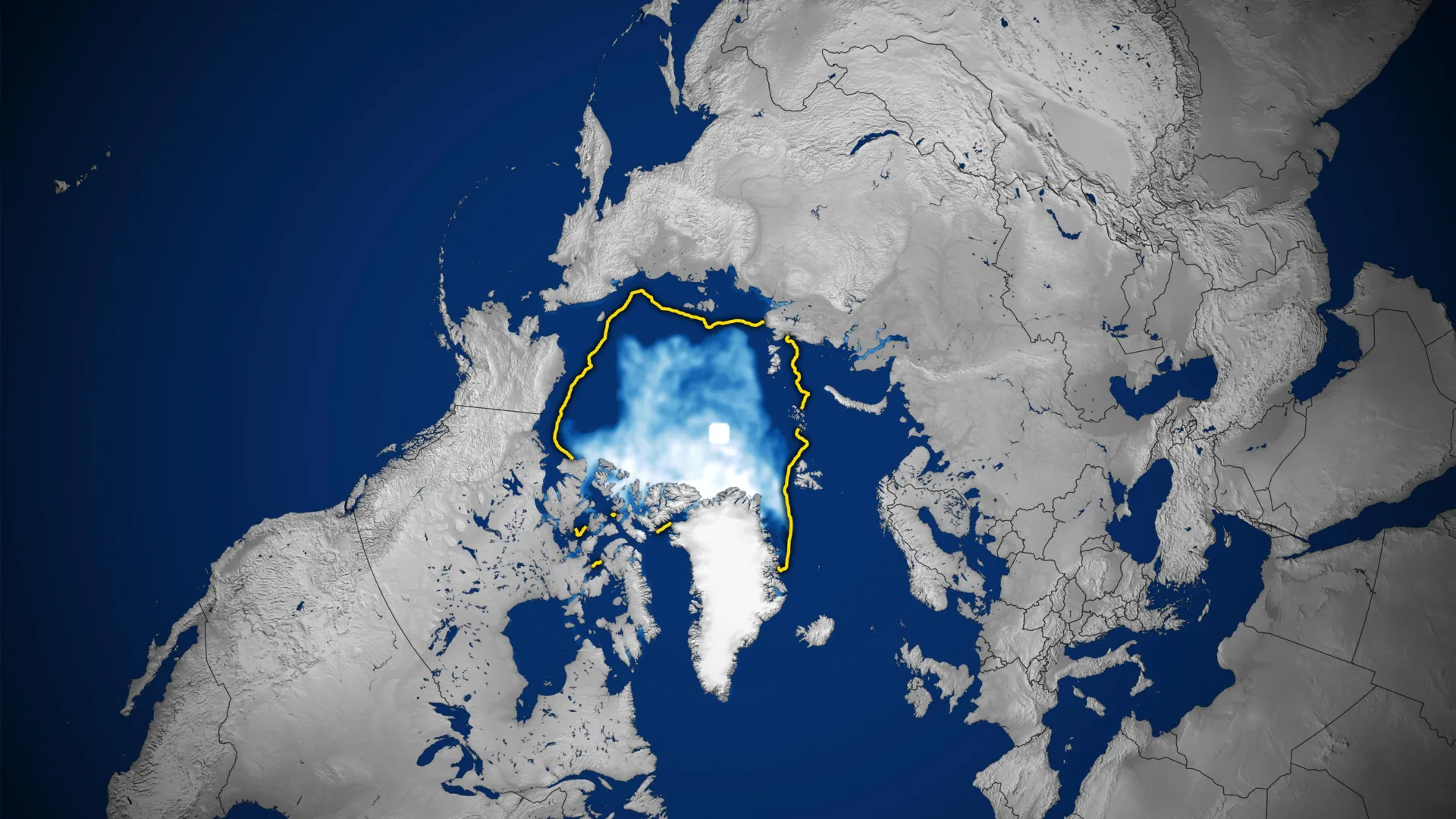
- 01Arctic sea ice reached its annual minimum on 12 September 2026, covering about 4.6 million square kilometres (1.78 million square miles).
- 02NASA and the NSIDC said this tied the minimums recorded in 2008, 2010 and 2025 for the 10th-lowest level since satellite monitoring began.
- 03In March 2026, the annual maximum tied March 2025 for the lowest winter peak in the satellite record.
- 04Satellites have tracked Arctic sea ice continuously since late 1978, and every summer from 2007 through 2026 ranks among the 20 lowest September extents.
- 05Scientists say multiyear ice has declined sharply, leaving more first-year ice that is thinner and easier to melt.
02Why it matters
The Arctic’s shrinking ice is a clear sign of a warming climate and affects weather, ecosystems and the long-term stability of the polar region. It also raises the risk of an ice-free summer in the Arctic within decades.
Pulse AIAsk about this story
Answers are generated by AI from the story summary; they are not investment, health or legal advice.